
Funeral traditions vary greatly around the world, reflecting the unique cultural, religious, and historical backgrounds of different regions. In Europe, both Eastern and Western countries have their own distinct funeral customs that have evolved over centuries. These traditions not only honor the deceased but also provide support and comfort to the grieving families. In this article, we will delve into the rich and diverse funeral practices of Eastern and Western Europe, highlighting their significance and cultural nuances.
Eastern European Funeral Traditions:
Eastern European countries such as Russia, Poland, Ukraine, and Romania have deep-rooted funeral traditions that reflect their rich history and Orthodox Christian heritage. In Orthodox funerals, rituals are steeped in religious symbolism and are often characterized by a solemn and formal atmosphere.
One of the distinctive features of Orthodox funerals is an open casket, allowing mourners to view and pay their respects to the deceased. Family members may place personal items, such as photographs or cherished belongings, near the casket as a sign of remembrance. Funeral services are typically held in churches, with priests leading the ceremony and conducting prayers for the soul of the departed.
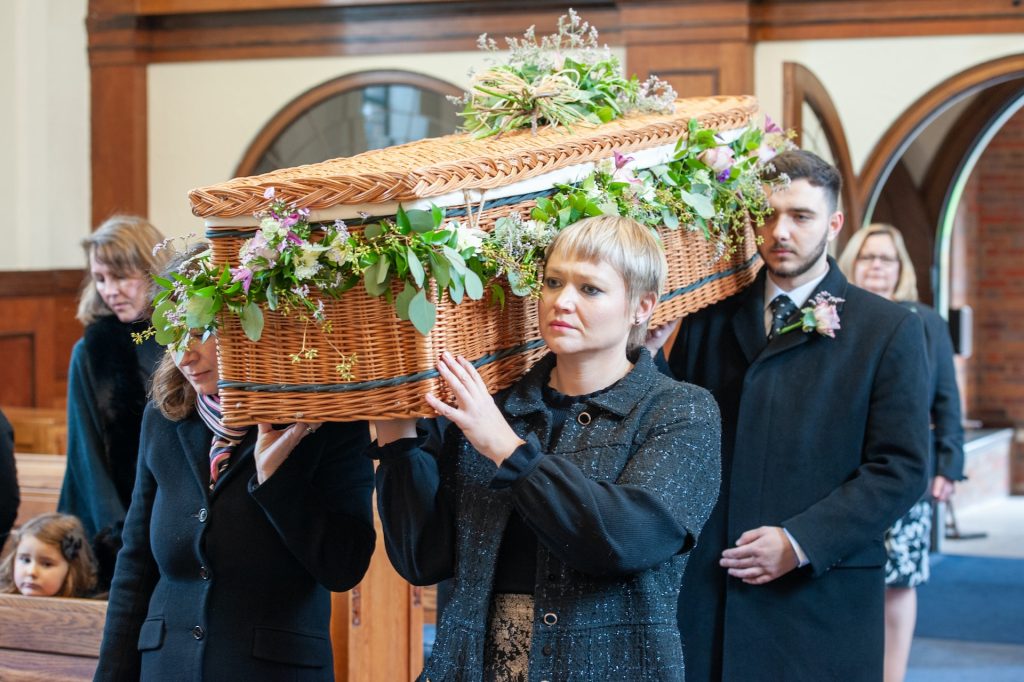
In some Eastern European countries, mourners participate in a procession to accompany the deceased to the burial site. This procession may involve carrying the casket on foot or in a funeral vehicle, with family and friends walking behind as a sign of respect and support.
After the burial, family and friends gather for a meal known as a “mercy meal” or “repast,” where they share food and stories about the deceased. This gathering provides an opportunity for mourners to find solace in each other’s company and celebrate the life of their loved one.
Western European Funeral Traditions:

Western European countries, including France, Germany, Italy, and the United Kingdom, have their own unique funeral customs that reflect their cultural diversity and historical influences.
In many Western European countries, funeral services are often held in churches or chapels. These services may be religious or secular, depending on the beliefs and preferences of the deceased and their family. Eulogies and readings are commonly incorporated into the ceremony, allowing family members and friends to share memories and pay tribute to the deceased.
In some Western European countries, such as Ireland and Scotland, traditional music and dances may be performed during the funeral service or at the wake. These cultural expressions serve as a way to honor the deceased and bring comfort to the mourners.
The wake, or “viewing,” is also a common practice in Western Europe. It is a time for family and friends to gather and pay their respects to the deceased. In some cultures, the wake may take place in the home of the deceased or at a funeral parlor, where mourners can visit the casket, offer condolences to the family, and share memories of the deceased.
Burial customs in Western Europe vary depending on the country and religious beliefs. Traditional burials in cemeteries are prevalent, where the deceased is laid to rest in a grave marked by a tombstone or monument. Cremation is also becoming more common, particularly in countries like the Netherlands and Switzerland, where space constraints and environmental concerns play a role.
Cultural Nuances and Modern Influences:

While there are overarching similarities in funeral traditions across Eastern and Western Europe, it is important to recognize the unique cultural nuances and modern influences that shape these practices.
For example, in countries like Greece, Serbia, and Bulgaria, it is customary to hold a memorial service or “panikhida” on the third, ninth, and fortieth days after the death. These services serve as an opportunity for family and friends to gather and commemorate the deceased, offering prayers and remembrance.
In recent years, there has also been a growing trend in personalized and alternative funeral practices such as green burials, secular ceremonies, and non-traditional venues. These practices reflect the changing attitudes towards death and the desire for more personalized and environmentally conscious options.
In Eastern Europe, the influence of communism and the shift towards secularism have also impacted funeral traditions. While Orthodox customs remain prevalent, there has been an increase in non-religious ceremonies and cremations. This shift reflects the changing religious landscape and the desire for more individualized expressions of grief and remembrance.
In Western Europe, multiculturalism and the influx of diverse populations have contributed to a blending of funeral traditions. Communities with different religious and cultural backgrounds may incorporate their own customs and rituals into the funeral service, creating a unique fusion of traditions.
Additionally, advancements in technology have played a significant role in shaping funeral practices across both Eastern and Western Europe. Livestreaming and virtual attendance have become more prevalent, allowing mourners who are unable to physically attend the funeral to participate remotely. This technology has proven particularly valuable during times of restrictions and limited travel, enabling family and friends from different parts of the world to come together and pay their respects.
The significance of funeral traditions in Eastern and Western Europe extends beyond the immediate grieving process. Funerals serve as a way to honor the deceased, provide closure for the family, and offer support to the grieving individuals. They also play a vital role in maintaining cultural and religious heritage, passing down traditions from one generation to another.
Moreover, funerals provide a space for communal grieving, allowing individuals to come together and share their grief, offer comfort, and provide emotional support to one another. The collective mourning process helps individuals navigate their grief, find solace in shared experiences, and receive the support they need during a difficult time.
As Europe continues to evolve and embrace cultural diversity, funeral traditions will continue to adapt and evolve as well. The blending of traditions, the incorporation of personalized elements, and the integration of modern technology will shape the future of funeral practices in the region.
In conclusion, the funeral traditions of Eastern and Western Europe reflect the unique cultural, religious, and historical contexts of each region. While there are similarities in the emphasis on honoring the deceased and supporting the grieving individuals, there are also distinct customs and practices that reflect the specific cultural nuances of each country. These traditions continue to evolve in response to changing attitudes, multicultural influences, and advancements in technology. Regardless of the specific customs, funeral rituals in both Eastern and Western Europe serve as important rituals for mourning, remembrance, and finding solace in the face of loss.



